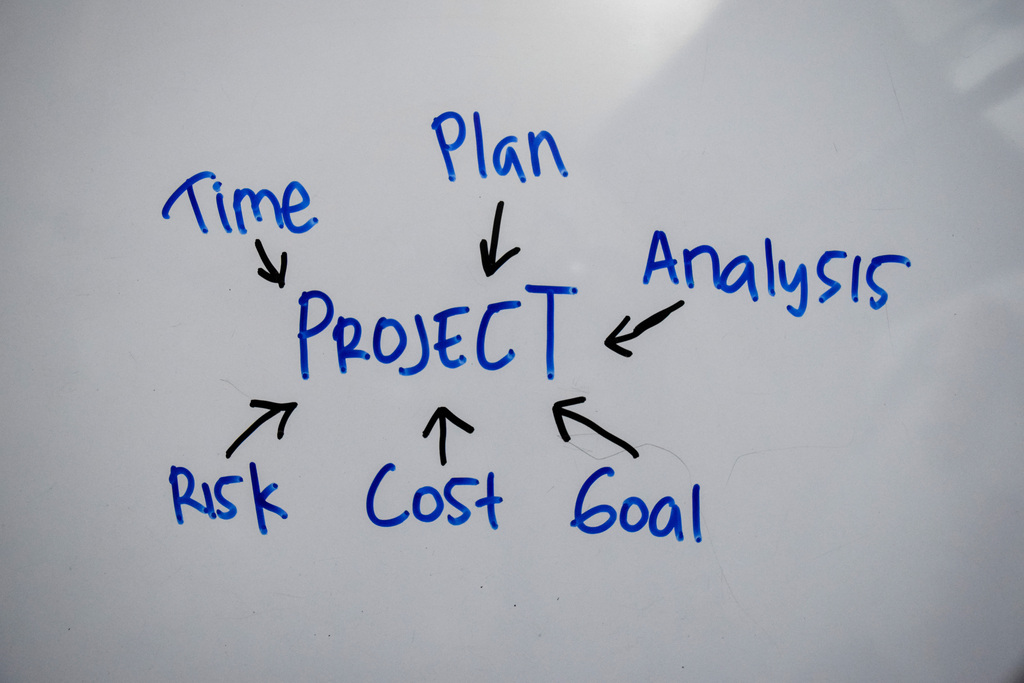
The Difference Between Managing Tasks and Leading Projects
Senior Project Manager’s Guide to Not Confusing Motion with Progress
Early in a project manager’s career, success feels very measurable. Tasks are assigned. Gantt charts are colorful. Status updates are frequent and reassuring. Everything is moving, which must mean everything is going well. This belief holds right up until the moment the project collapses while everyone was very busy.
Managing tasks is about activity. Leading projects is about direction. Senior project managers learn this distinction the hard way, usually during a project that had excellent tracking and terrible outcomes.
Task management focuses on the visible. Are tickets updated? Are deadlines approaching? Did everyone attend the meeting? These things matter, but they are not the work. They are the shadow the work casts on a dashboard. You can manage tasks perfectly and still deliver the wrong thing on time.
Project leadership starts earlier and reaches further. It is less concerned with whether a task is complete and more concerned with whether it should exist at all. Senior PMs ask questions that make rooms uncomfortable. Why are we doing this? What problem does it solve? Who actually benefits if this succeeds? Silence after these questions is not alignment. It is a warning.
Managing tasks rewards compliance. Leading projects requires judgment. When a dependency slips, a task manager updates the date. A project leader asks what changed in reality and whether the plan still makes sense. One maintains the schedule. The other protects the outcome.
Meetings expose the difference beautifully. Task management meetings are status recitals. Everyone reports progress while quietly hoping no one asks follow-up questions. Project leadership meetings are decision forums. They clarify priorities, surface risks, and force choices. One drains energy. The other creates momentum.
Senior PMs also spend less time chasing updates and more time shaping conversations. They know that if they have to ask for status repeatedly, something is wrong with ownership, not communication. Instead of asking when a task will be done, they ask what is blocking it and who can remove the obstacle.
Risk management is another dividing line. Task managers document risks because the process requires it. Project leaders treat risks as signals. They watch for early indicators, connect patterns, and escalate before problems become urgent. They understand that unspoken risks are the most dangerous kind.
Perhaps the biggest difference is how success is defined. Task management celebrates completion. Project leadership celebrates impact. A senior PM knows that a project can finish on time, on budget, and still fail if it does not change anything that matters. Conversely, a project that adapts, pivots, and delivers real value is often remembered as a success even if the original plan is barely recognizable.
This does not mean tasks are unimportant. Tasks are necessary. They are the mechanics of delivery. But without leadership, they become motion without meaning. Senior PMs learn to step back from the checklist and look at the system as a whole.
The moment a project feels like it is running itself, leadership is probably missing. Real leadership shows up when plans break, assumptions fail, and priorities collide. That is when experience matters more than templates.
Managing tasks keeps things busy.
Leading projects gets things done.
And the difference is not a tool.
It is perspective.